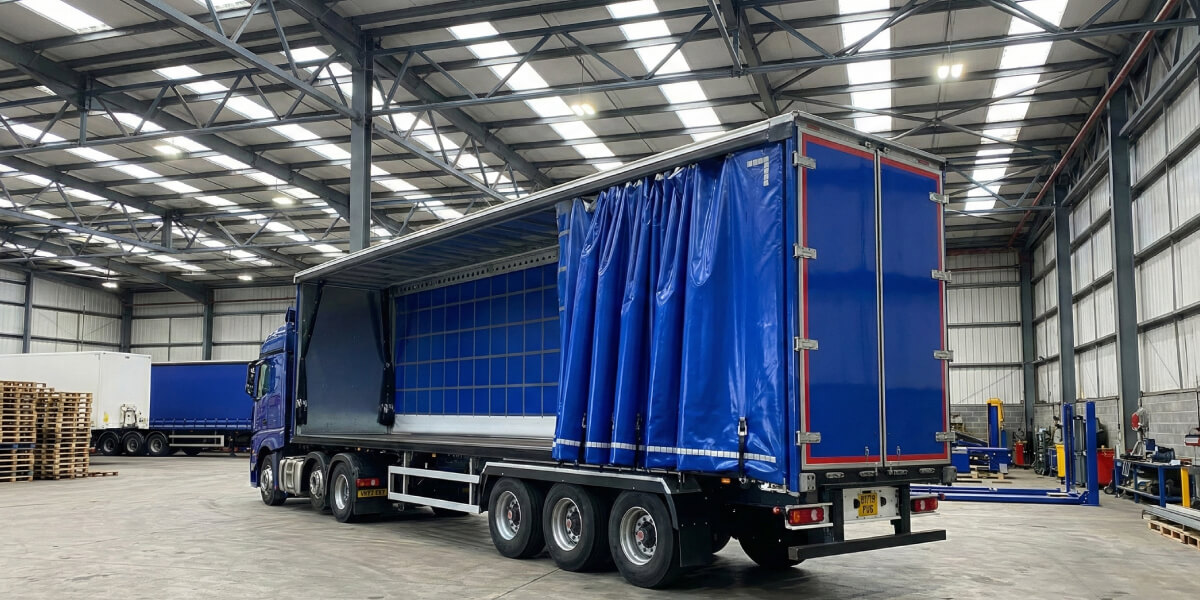
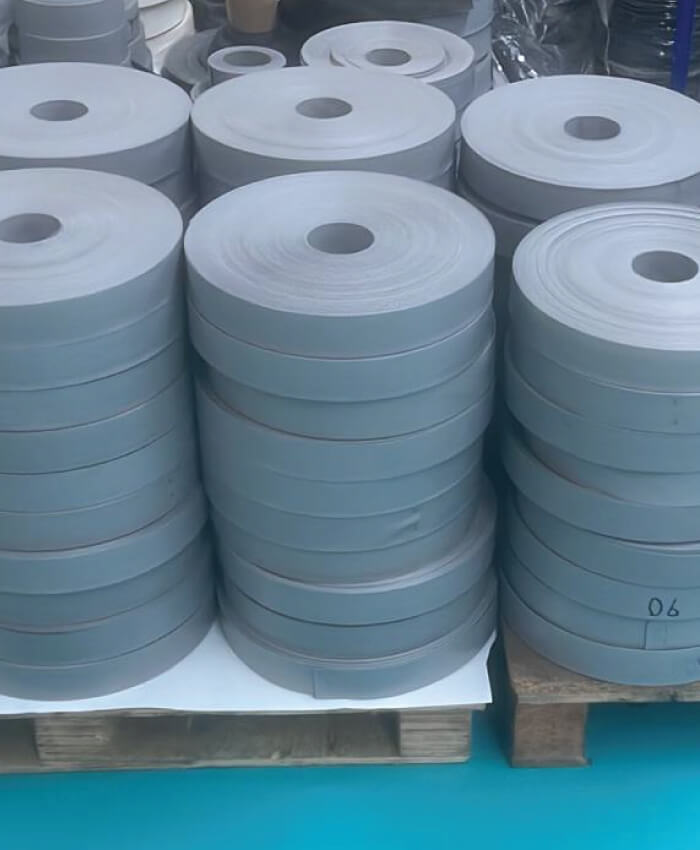
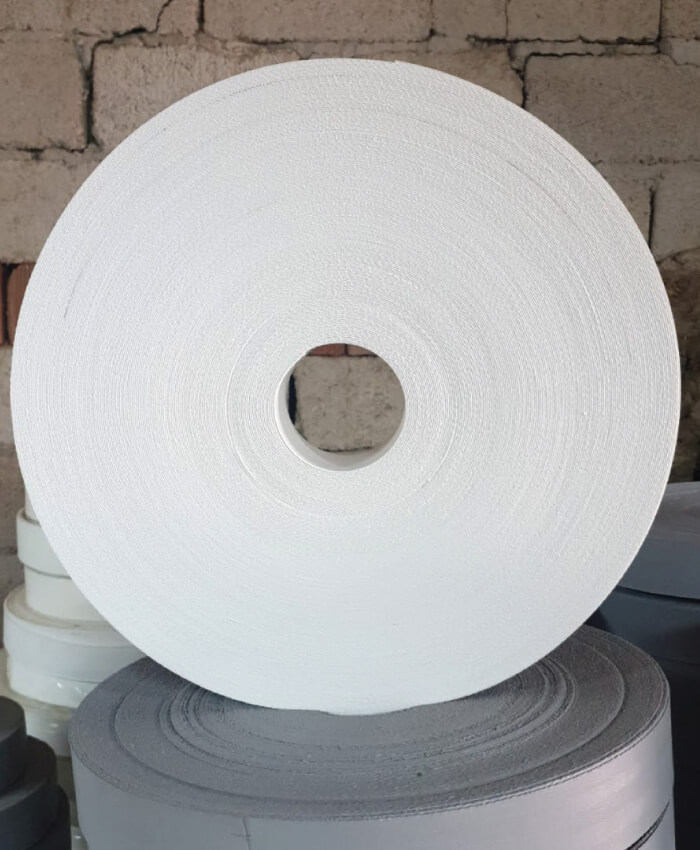
An adhesive-bond PVC column is a critical complementary component in tarpaulin systems, ensuring the connection area performs in a neat, repeatable, and serviceable manner. However, field issues such as “the column came off,” “the edge opened up,” or “it failed at the first heat cycle” are most often caused not by the material itself, but by shortcomings in surface preparation, procedure discipline, and process control. The steps below provide a practical framework to improve application stability.
Surface Preparation: The Foundation of Bond Strength Starts Here
Bonding performance is most commonly compromised by low surface energy and contamination (oil, dust, silicone residues, moisture). “Looking clean” is not sufficient; the surface must be in a condition that can reliably anchor the adhesive.
Cleaning and Degreasing
Oils and thin surface films directly reduce bond strength.
A one-direction wipe with a suitable cleaner, followed by a second wipe with a clean cloth, reduces the risk of re-depositing residue and leaving streaks.
Sanding / Surface Abrasion (If Required)
On certain surfaces, light abrasion can improve mechanical anchoring.
Excessive sanding may damage the PVC surface and create a weak interlayer; it must be controlled.
Dryness and Environmental Conditions
A damp surface increases the risk of blistering and early separation in the adhesive line.
Before application, ensure the surface is completely dry.
Bonding Procedure: Standardize for Stable Results
Consistent outcomes are achieved not through “operator skill,” but through a standardized process. If different operators produce different results on the same job, process control has not been fully established.
Adhesive Selection and Mixing Discipline
For one-component and two-component systems, manufacturer instructions must be treated as the baseline.
In two-component systems, incorrect mixing ratio is one of the fastest ways to compromise bond performance.
Application Thickness and Coverage
Too thin: leaves “dry spots,” and the column may detach over time.
Too thick: cures slowly and can form a weak internal layer.
The objective is a balanced, uniform film that covers the surface consistently.
Flash-Off Time and Pressing
In certain systems, a defined waiting period is required after applying the adhesive.
Pressing/roller application reduces air voids and increases the true contact area.
Pressing force should aim for full contact—not crushing.
Bond Strength: Simulate Real Field Conditions
A process is not “completed” just because it holds on day one. Bond durability must be evaluated against heat/cold cycles, vibration, load, and time.
Quick Verification Tests